You hear Torkham before you see it. Engine brakes, horns, a thousand conversations, and somewhere underneath it the low grind of several hundred lorries queuing to cross.
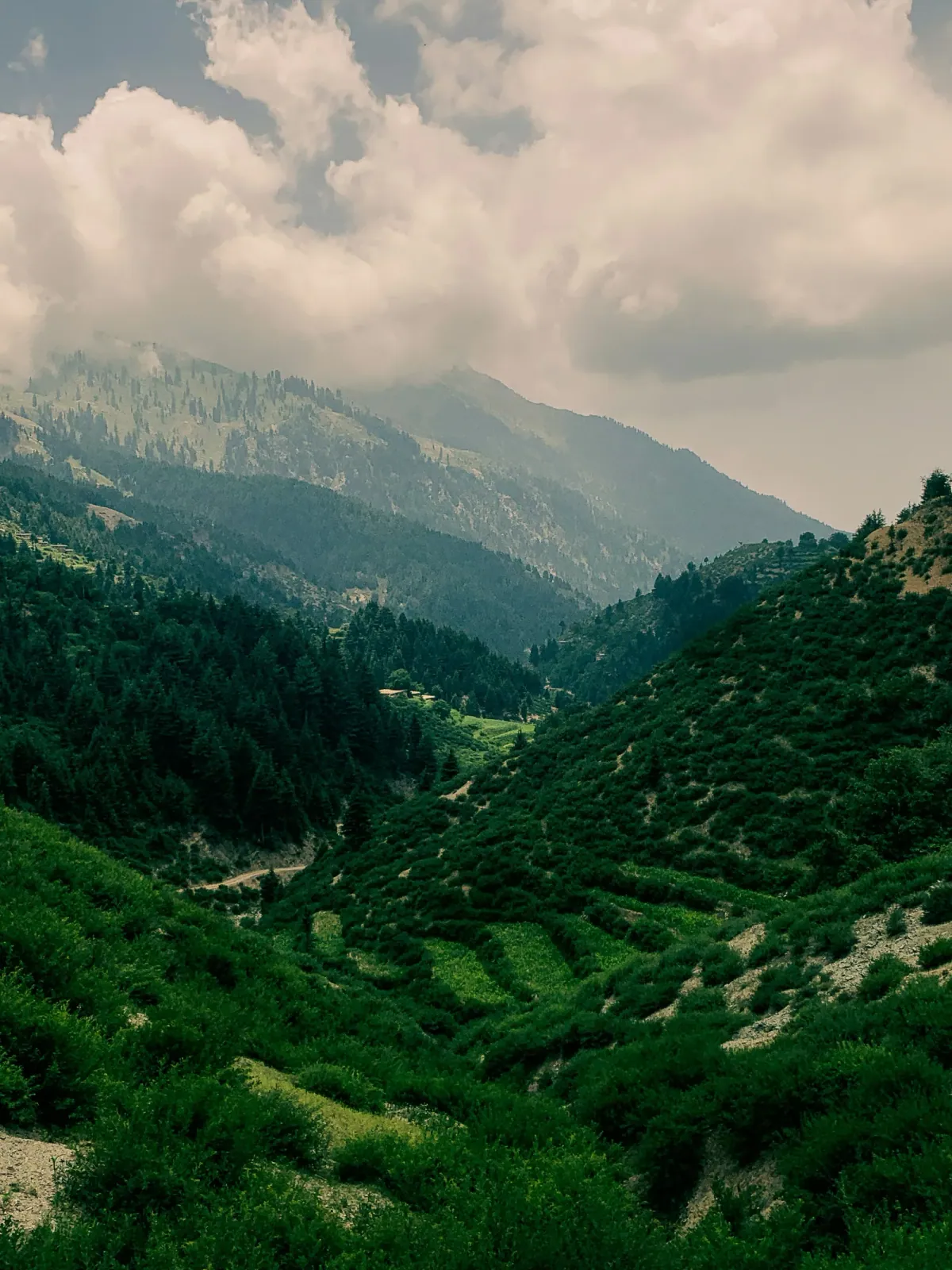
The Khyber Pass drops down towards the gate through bare hills that have watched armies come through for two and a half thousand years. Then you are in it: porters with loads on their backs, money changers, tea stalls, families with bundles, soldiers, and a line of trucks stretching further than you can see.
It is one of the busiest land crossings in Asia. It is also, with the right preparation, entirely manageable — and a far better arrival than a runway.
Can tourists cross the Torkham border?
Yes, foreigners with a valid Afghan visa cross at Torkham. It is the main overland gateway between Pakistan and Afghanistan, open daily, and the natural route if you are coming from Peshawar or Islamabad.
The important detail is that you need your visa before you arrive. Torkham is not somewhere to arrive hopeful.
Getting to the border from Peshawar
Torkham sits about 55 kilometres west of Peshawar, an hour and a half on a good day. The road runs up through the Khyber Pass, which has historically been a restricted zone — depending on current rules you may need permission from Pakistani authorities and, at times, a police escort for the Khyber stretch.
Leave early. The crossing is busiest late morning onwards, and arriving at opening is the single easiest thing you can do to make the day short.
Arrange transport that is expecting you on the Afghan side before you leave Peshawar. Walking out of the gate into that crowd with no plan is where a straightforward day turns into a long one.
What actually happens at the gate
The process is more orderly than the noise suggests. In sequence:
- Pakistani exit. Immigration checks your passport and stamps you out. Have your Pakistani visa and entry stamp findable.
- The walk between. A short stretch of no-man's-land on foot, alongside the freight lanes.
- Afghan immigration. Passport, visa, and questions about why you are visiting, where you are going and for how long. Answer plainly. "Tourism" is a real and accepted answer here.
- Baggage screening. Bags opened and looked through. Straightforward.
- Intelligence check. Foreign arrivals are usually spoken to separately. It is conversational rather than adversarial, and it is normal.
The one thing people get wrong
Make certain your passport is physically stamped on entry, and look at it before you walk away.
This is the single mistake that causes travellers real trouble in Afghanistan. In the crush it is possible to be waved through without a stamp, and an unstamped entry means you are in the country with no record of having entered legally. That becomes a problem at every checkpoint afterwards, and a much bigger problem when you try to leave.
Check the date. Check it is legible. If something looks wrong, sort it out there and then, at the window, while the officer who did it is still standing in front of you.
What to have ready
- Passport with a valid Afghan visa, and your Pakistani entry stamp
- Photocopies of both, kept separately from the originals
- Photos of everything on your phone and in your email
- Spare passport photographs
- Clean, undamaged US dollars — cards do not work here
- A printed itinerary and the contact details of whoever is meeting you
- Modest clothing, worn from the Pakistani side onwards
Do not photograph the crossing, the gates, or any official. This is the one rule at a border with real consequences.
What about coming in from Tajikistan?
The northern crossings — Sher Khan Bandar into Kunduz, or the Wakhan route at Ishkashim — are a completely different experience. Quiet, cold, mountainous, and processing a handful of people rather than thousands.
They are calmer but more tightly regulated, and remoteness cuts both ways: if paperwork goes wrong there, there is nobody nearby to fix it. Coordination on the Afghan side matters even more than at Torkham. These are also the routes to use if the Wakhan Corridor is your reason for coming.
After the border
Being in the country is not the same as being free to travel across it. Afghanistan runs a provincial permit system, and moving from Nangarhar towards Kabul, Bamyan or the north means having the right stamped letters with you.
Sort that out at the start rather than discovering it at a provincial boundary — the permits guide walks through how it works.
From Torkham it is roughly four to five hours up to Kabul through Jalalabad, on a road that climbs through some genuinely spectacular gorge country. It is a good first day.
Worth doing?
Flying into Kabul is simpler and there is no shame in it. But arriving overland gives you something a flight cannot: the sense of having actually crossed into somewhere, through a gate that Alexander, Babur and the Silk Road caravans all used.
If you want to come in that way, tell us and we will have someone at the Afghan side of the gate with your name on a piece of paper — which turns the whole thing from an ordeal into simply the first hour of the trip.